
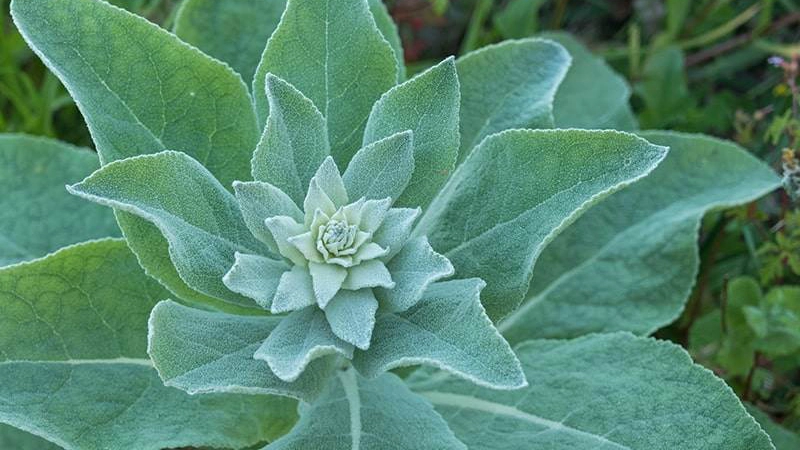
If you've ever spotted a tall plant with soft, fuzzy leaves standing like a sentinel in a field or along a roadside, chances are you've met mullein. This unassuming herb has been a trusted companion in the herbalist's toolkit for centuries, and for good reason—especially when the sniffles and coughs of cold and flu season come knocking.
What Is Mullein?
Mullein (Verbascum thapsus) is a biennial plant that can grow up to six feet tall. Its leaves feel like velvet to the touch, covered in tiny soft hairs that give it a silvery-green appearance. While it might look like just another roadside weed to some, herbalists know it as a powerhouse for respiratory support.
Why Mullein Shines During Cold and Flu Season
When you're dealing with congestion, coughs, or that heavy feeling in your chest, mullein can be a comforting ally. Here's why:
Soothes Irritated Airways
Mullein contains natural compounds called mucilages—think of these as nature's throat lozenges. When you drink mullein tea, these mucilages coat your throat and airways with a protective, soothing layer. It's like giving your irritated tissues a gentle hug from the inside.
Supports Your Lungs' Natural Cleaning Process
Your lungs have their own housekeeping system, constantly working to move mucus and debris out. Mullein is what we call an expectorant, which means it helps your body do this job more effectively. It doesn't just suppress a cough—it helps make coughs more productive so you can actually clear things out.
Calms Inflammation
Those fuzzy leaves aren't just for show. Mullein has natural anti-inflammatory properties that can help calm swollen, irritated respiratory tissues. Whether you're dealing with a dry, scratchy throat or inflamed bronchial passages, mullein offers gentle relief.
Works Gently
Unlike some stronger herbs or medications, mullein is remarkably gentle. It doesn't typically cause drowsiness or jitters. It simply supports your body's natural healing processes without forcing anything.
How to Use Mullein
The most common way to enjoy mullein is as a tea. The leaves are typically dried and then steeped in hot water for about 10-15 minutes. Some people describe the taste as mild and slightly sweet, while others find it earthy. A little honey can make it even more soothing for a sore throat.
Pro tip: Always strain mullein tea through a fine mesh strainer or cheesecloth to remove the tiny leaf hairs, which can be irritating if consumed.
Mullein in Herbal Blends
While mullein is wonderful on its own, it really shines when combined with complementary herbs. That's where thoughtfully crafted herbal blends come in handy.
If you're battling a cold or flu and want to give your body some herbal support, check out Kick the Crud Tea Blend from Gordon's Herbals. This blend harnesses mullein's respiratory benefits alongside other traditional cold-fighting herbs to help you bounce back faster.
For ongoing respiratory support—whether you're recovering from illness, dealing with seasonal allergies, or just want to keep your lungs happy—Breathe Deep Tea Blend offers a nourishing combination with mullein at its heart.
A Few Words of Caution
Mullein is generally considered very safe for most people, but as with any herb, it's worth noting a few things:
- If you're pregnant, nursing, or taking medications, chat with your healthcare provider before adding mullein to your routine.
- Some people with very sensitive skin may react to handling fresh mullein leaves (though the dried herb is typically fine).
- Always source your mullein from reputable suppliers to ensure it's clean and properly processed.
The Bottom Line
Mullein might not be flashy, and it certainly doesn't make grand promises. But this humble herb has earned its place in herbal medicine cabinets through generations of use. When cold and flu season arrives with its inevitable coughs, congestion, and respiratory discomfort, mullein offers gentle, effective support.
Think of it as that reliable friend who shows up with soup when you're sick—not dramatic, just genuinely helpful when you need it most.
So the next time you pass a tall mullein plant standing in a field, give it a little nod of appreciation. And when the sniffles strike, consider reaching for a cup of mullein tea. Your lungs will thank you.
Disclaimer: This blog post is for educational purposes only and is not intended to diagnose, treat, cure, or prevent any disease. The information provided is not a substitute for professional medical advice. Always consult with a qualified healthcare provider before using herbs, especially if you have existing health conditions or are taking medications.